

BEE
DETAILS
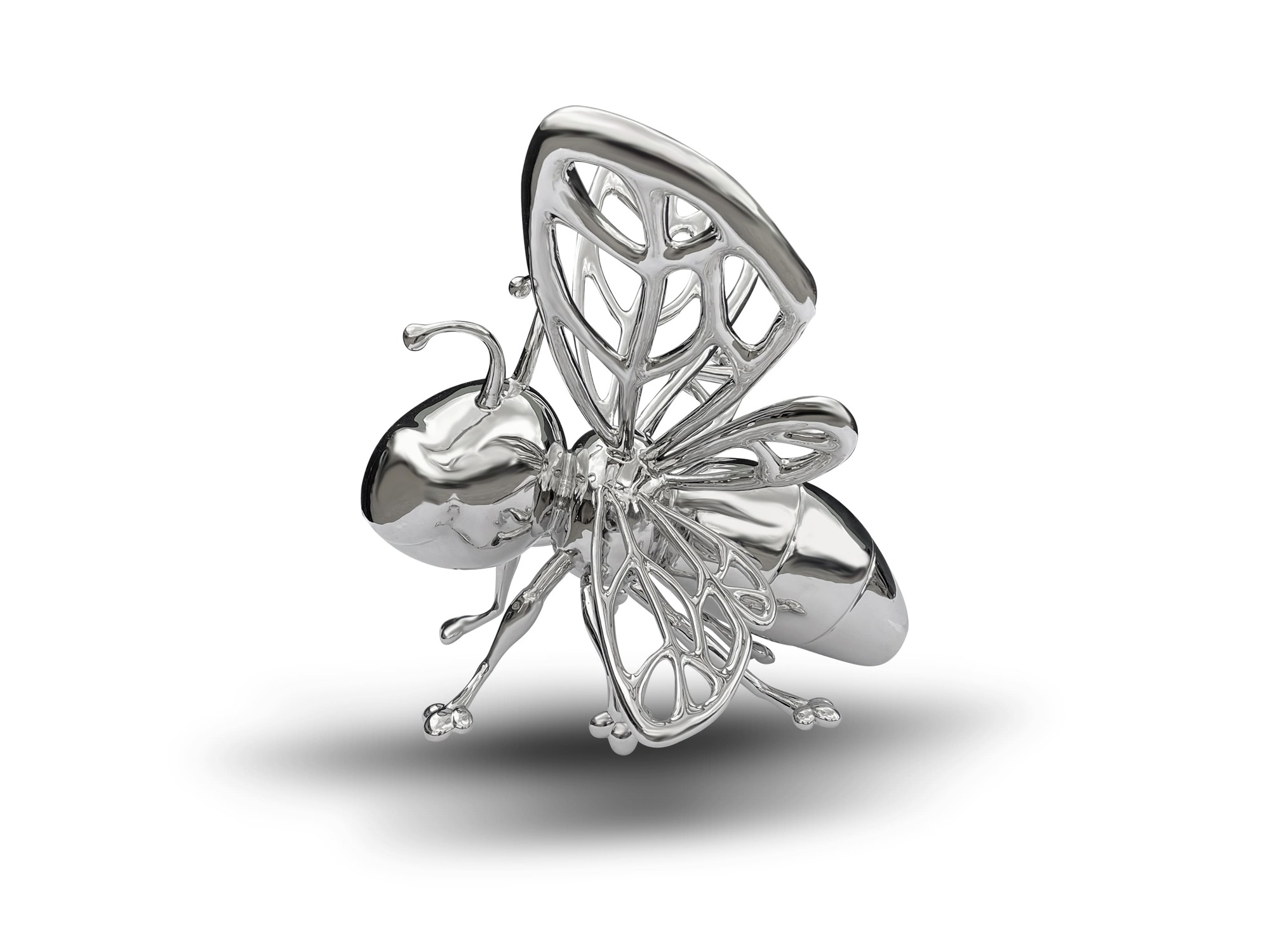
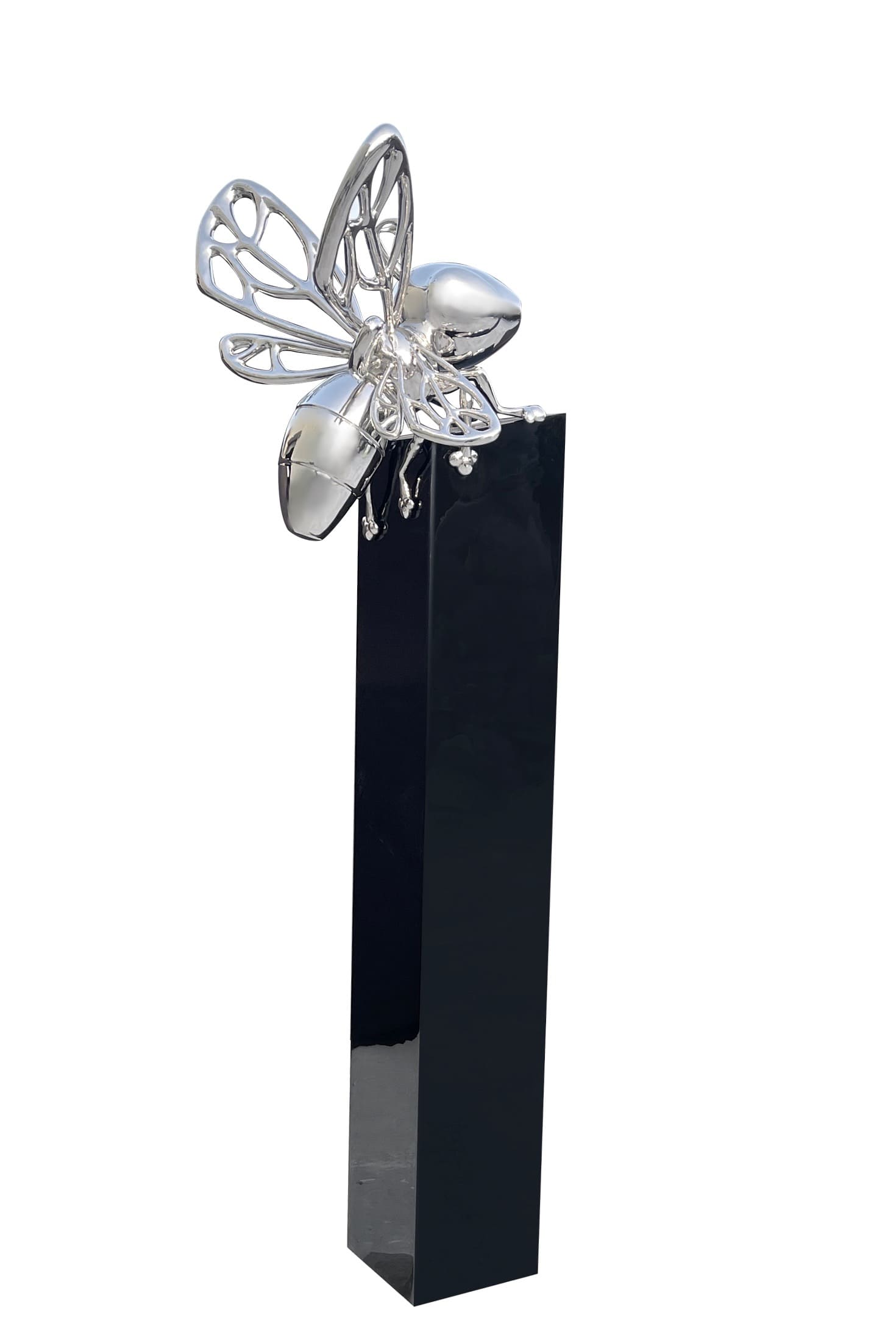
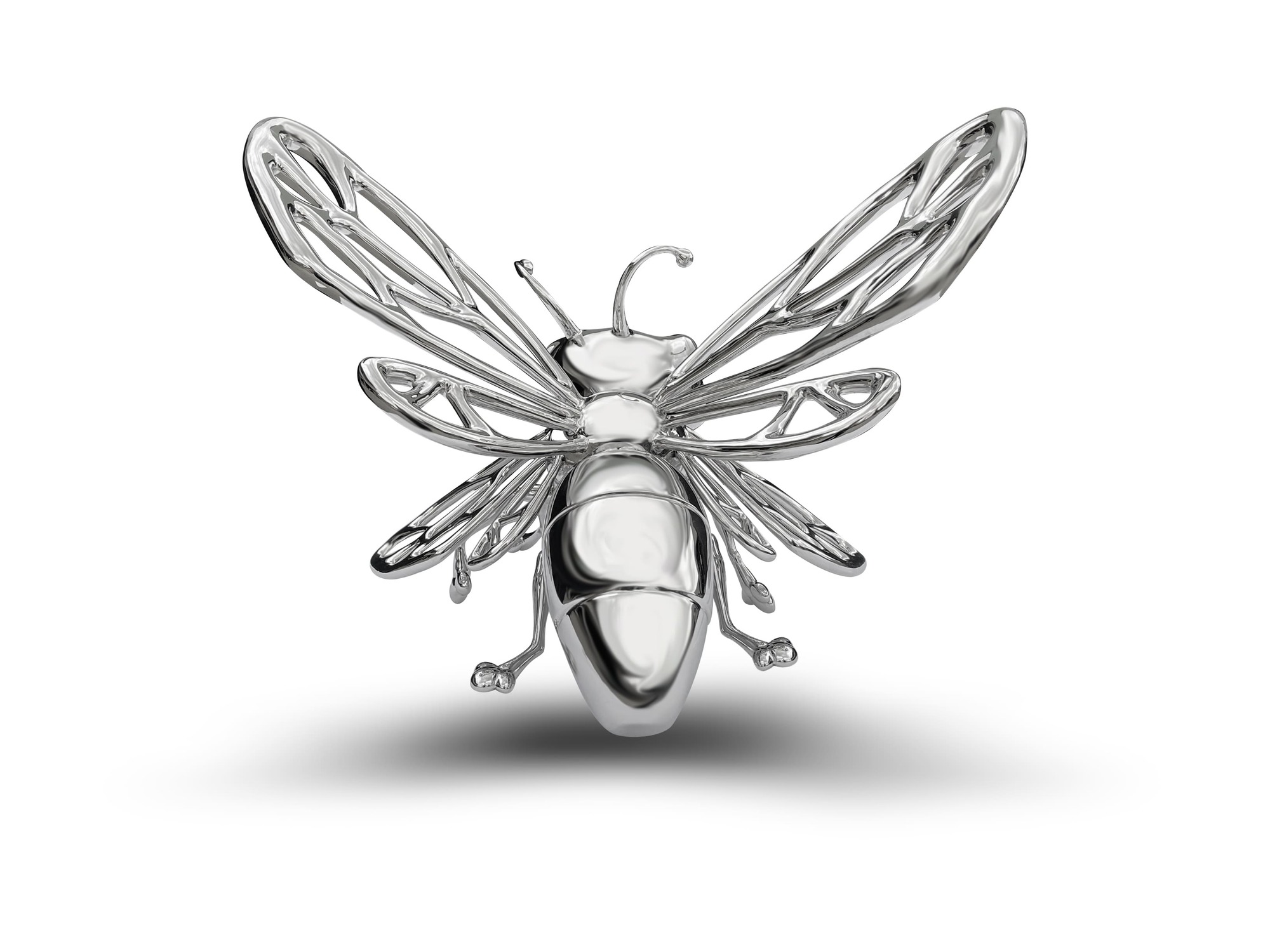
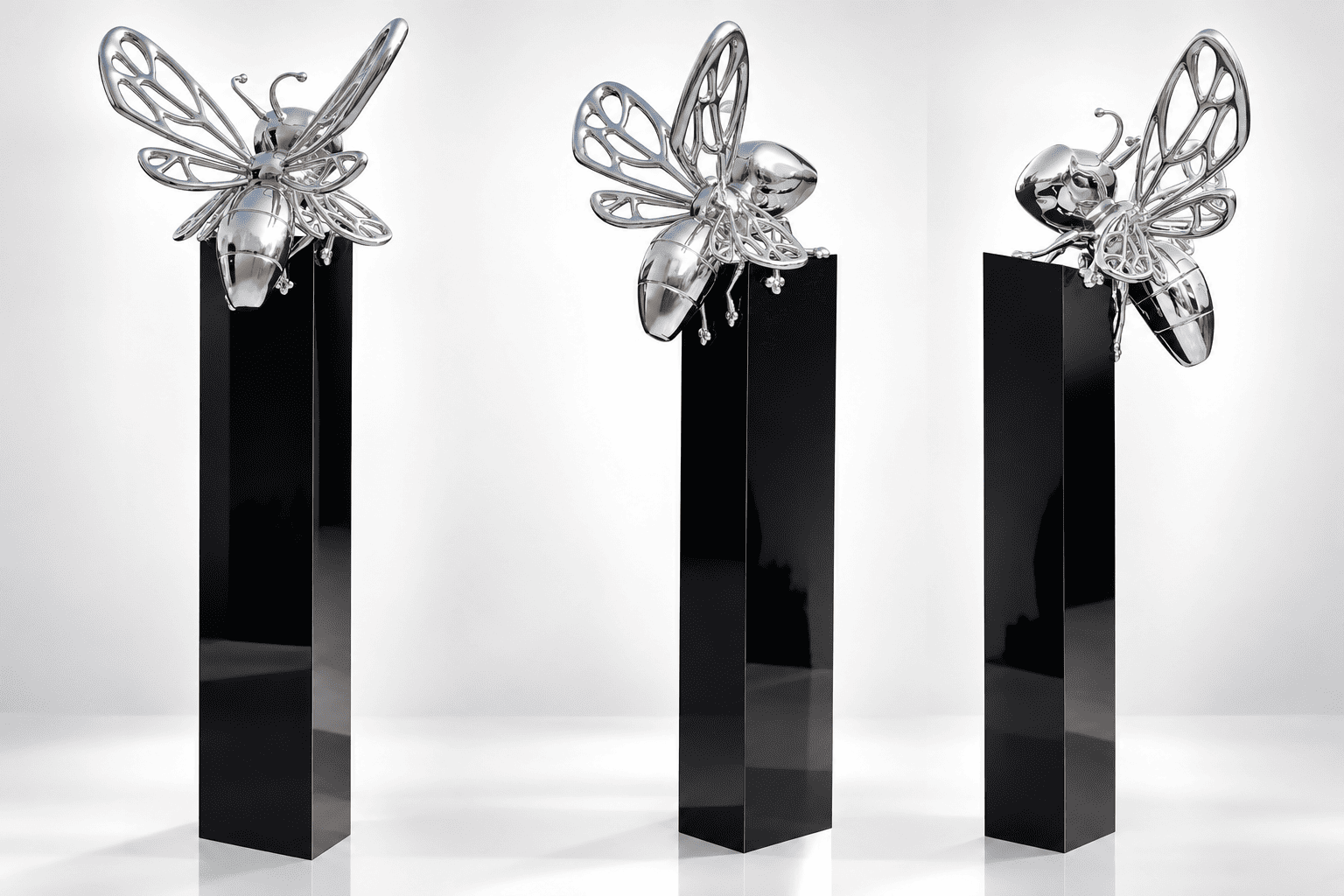
L’ABEILLE HYBRIDE
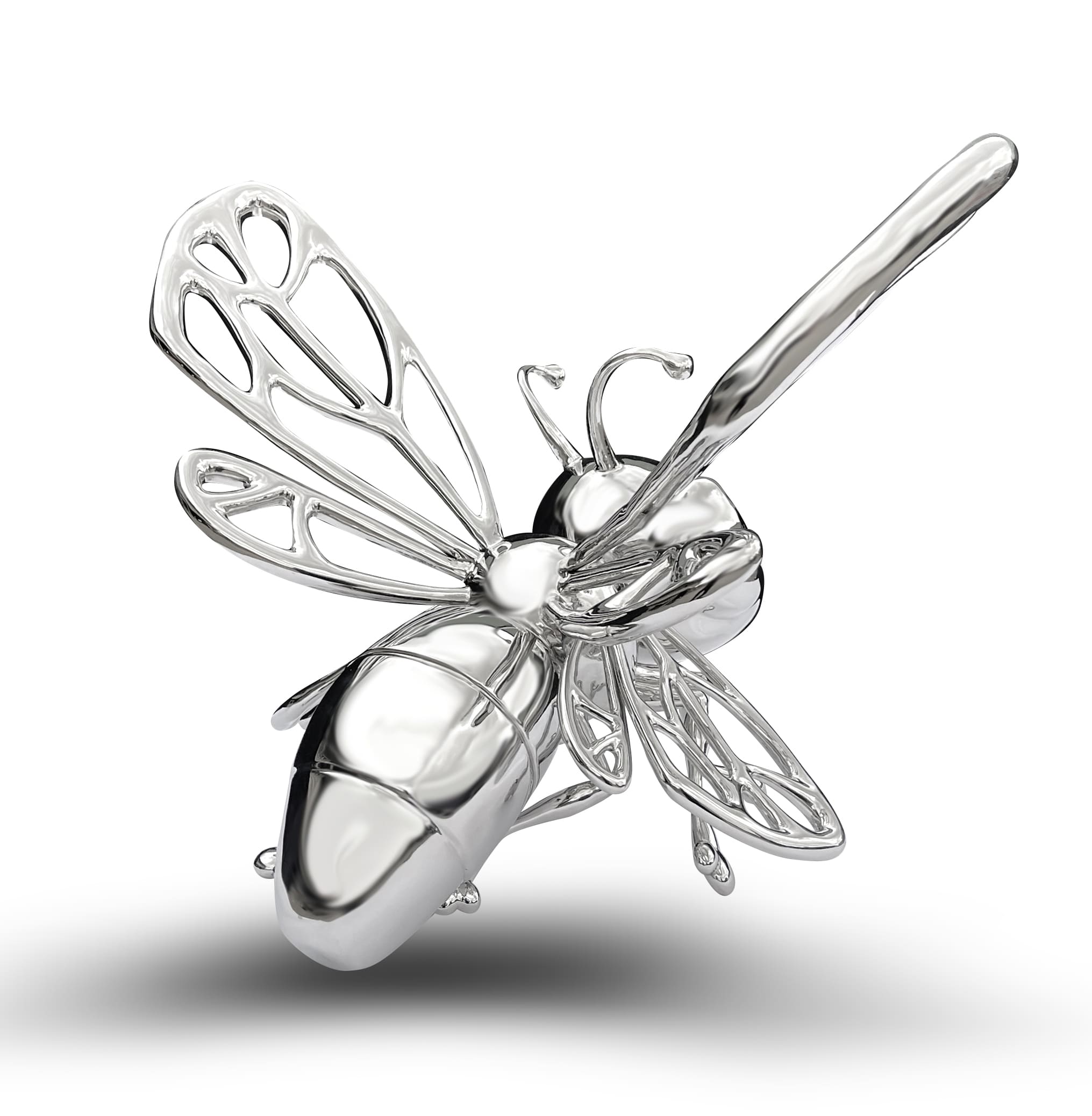
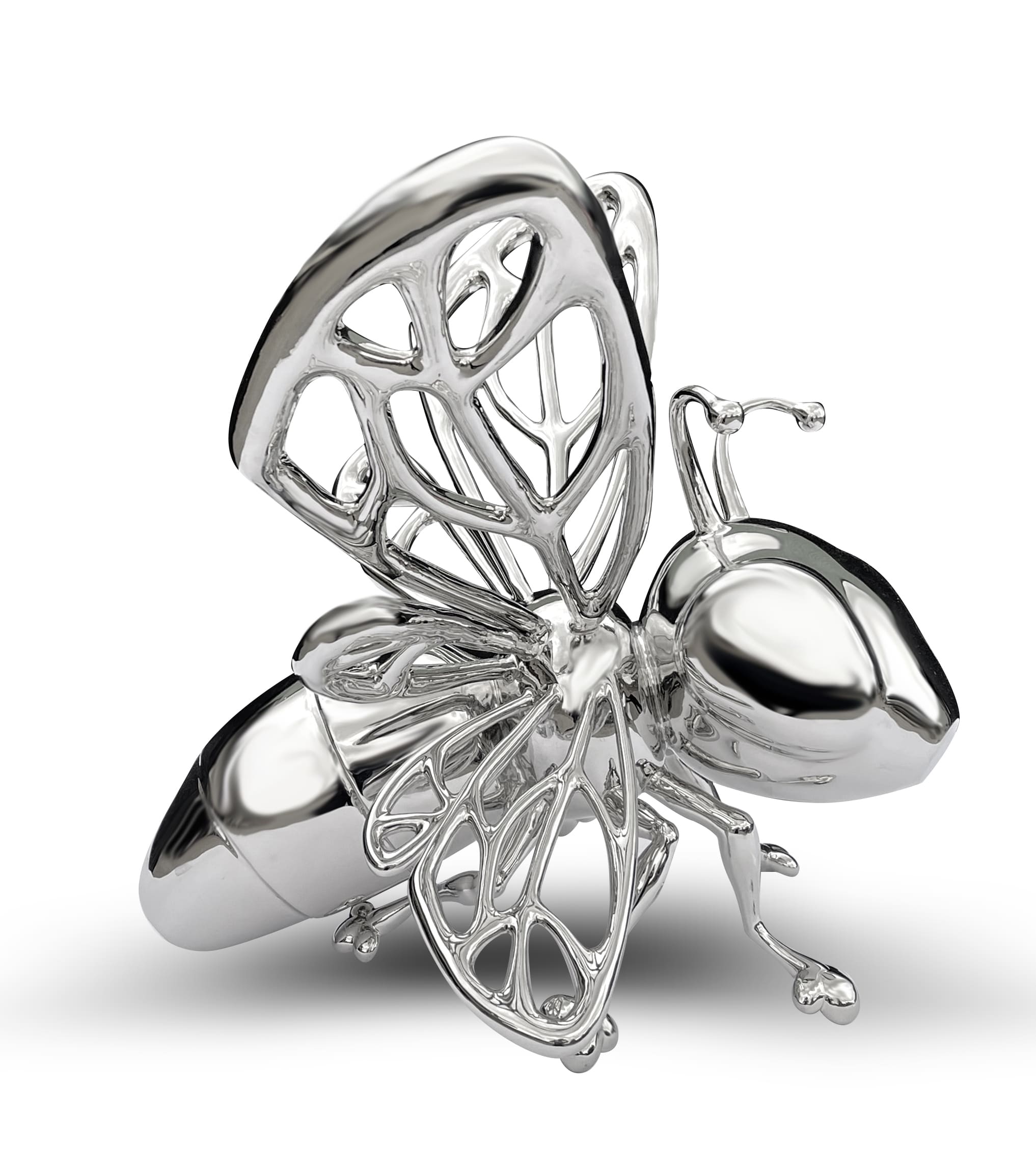
Face à la disparition alarmante des insectes pollinisateurs, peut-être que, dans le futur, certaines espèces deviendront hybrides afin de mieux résister au changement climatique, à la pollution et aux pesticides. Le vivant inventerait ainsi ses propres formes de résistance pour s’adapter et survivre.
L’Abeille hybride, telle que je l’ai imaginée, est à la fois abeille et papillon, réunissant deux figures emblématiques de la pollinisation. Cette sculpture imaginaire évoque la capacité du vivant à se transformer, à s’adapter et à inventer de nouvelles formes pour assurer sa survie.
Faced with the alarming decline of pollinating insects, perhaps in the future some species will become hybrid in order to better withstand climate change, pollution and pesticides. Life itself would thus invent its own forms of resistance in order to adapt and survive.
The Hybrid Bee, as I imagined it, is both bee and butterfly, bringing together two emblematic figures of pollination. This imaginary sculpture evokes the ability of living things to transform, adapt and invent new forms in order to ensure their survival.
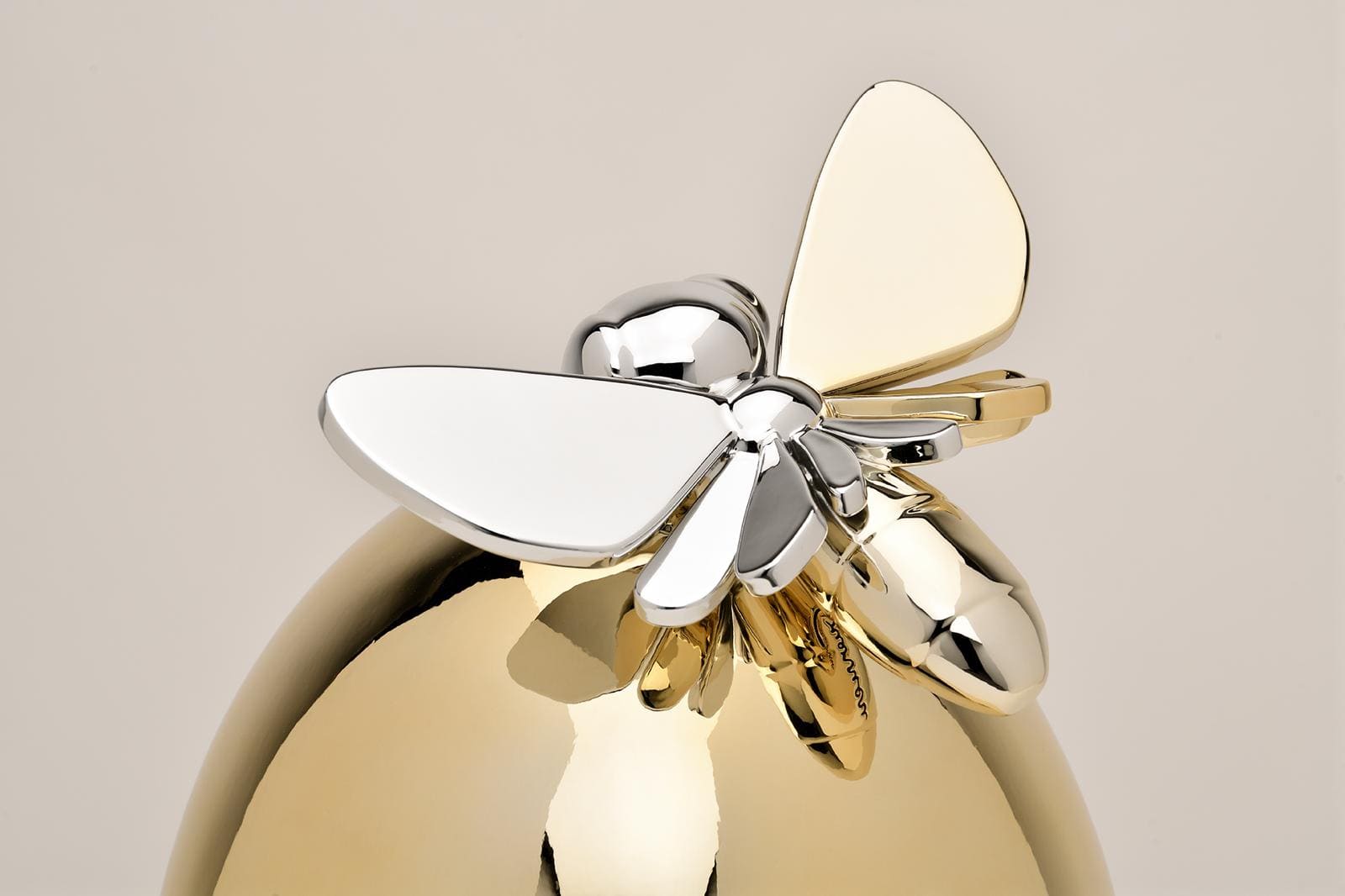
L’ABEILLE COLORÉE
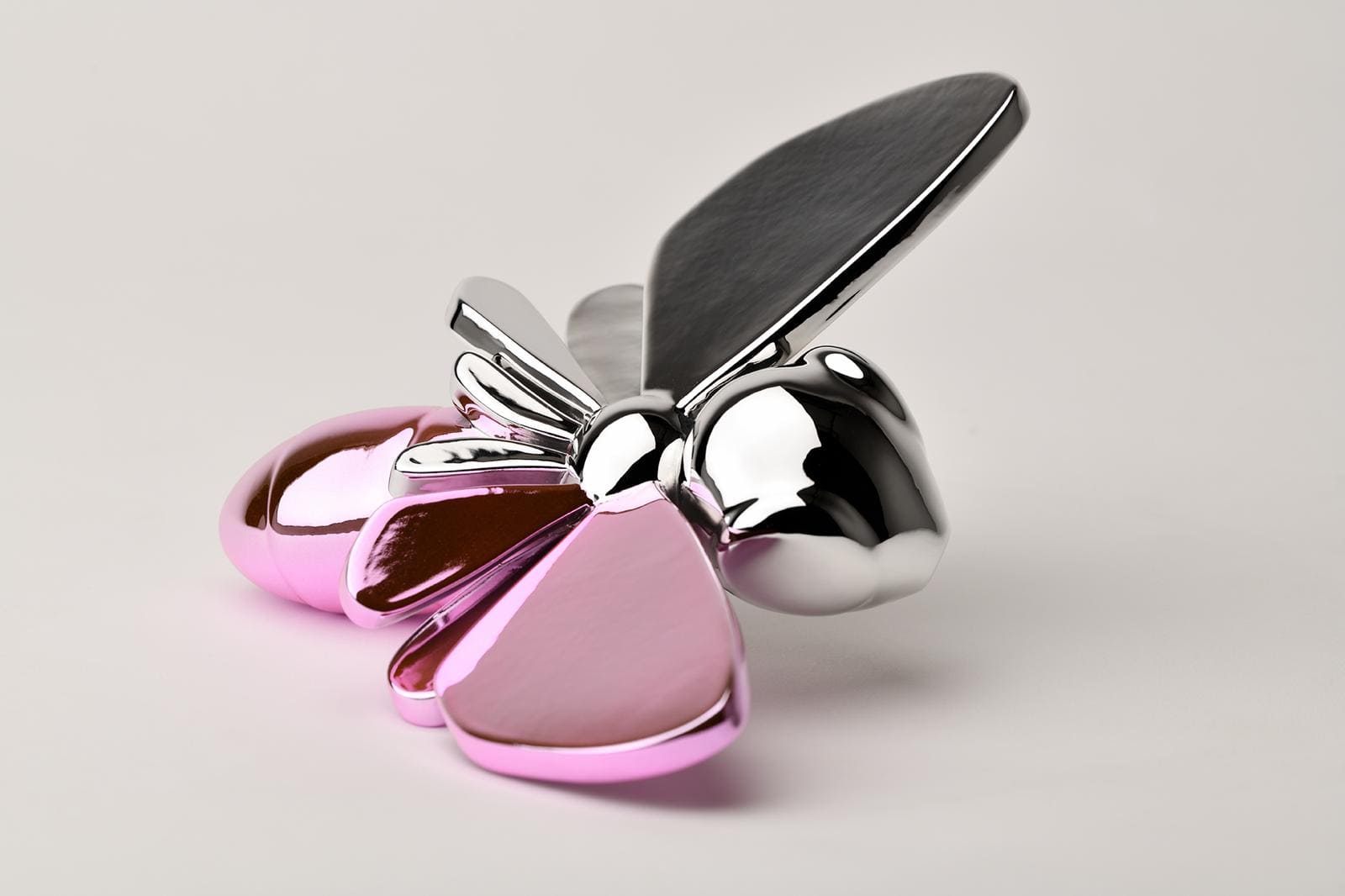
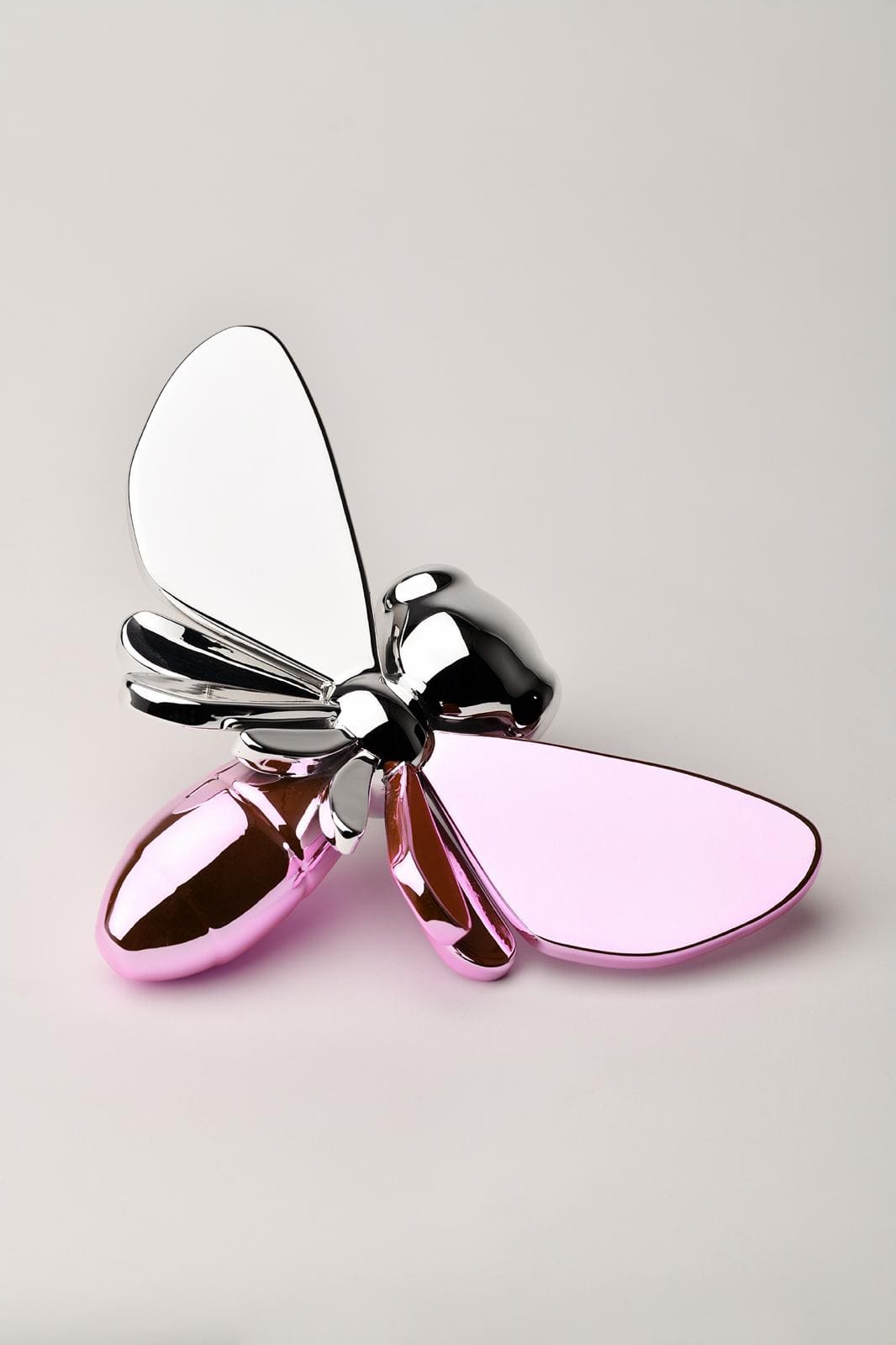
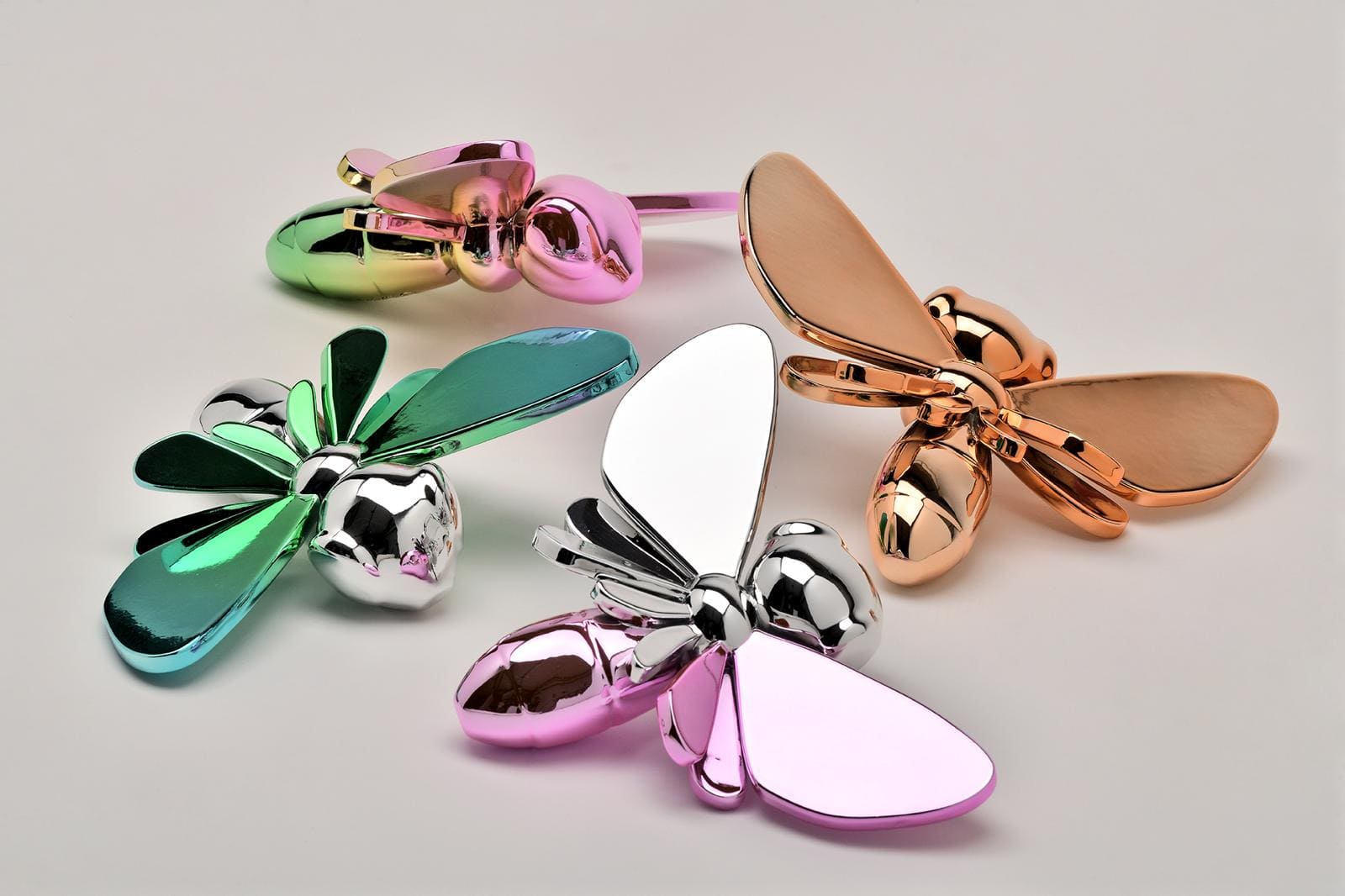
J’ai ensuite fait évoluer ma sculpture en imaginant une abeille colorée, qui aurait gardé sur elle les couleurs de toutes les fleurs qu’elle a butinées, comme si chacune d’elles avait laissé une trace sur son corps et sur ses ailes : le souvenir des fleurs.
Peu à peu, les formes se simplifient, les ailes deviennent pleines et les surfaces réfléchissantes se parent de couleurs lumineuses et changeantes.
I then developed my sculpture further by imagining a coloured bee that would retain the colours of all the flowers it had visited, as if each one had left a trace on its body and wings: a memory of the flowers.
Gradually, the forms become simpler, the wings become solid, and the reflective surfaces take on luminous, shifting colours.
UN TERRITOIRE POUR L’ABEILLE
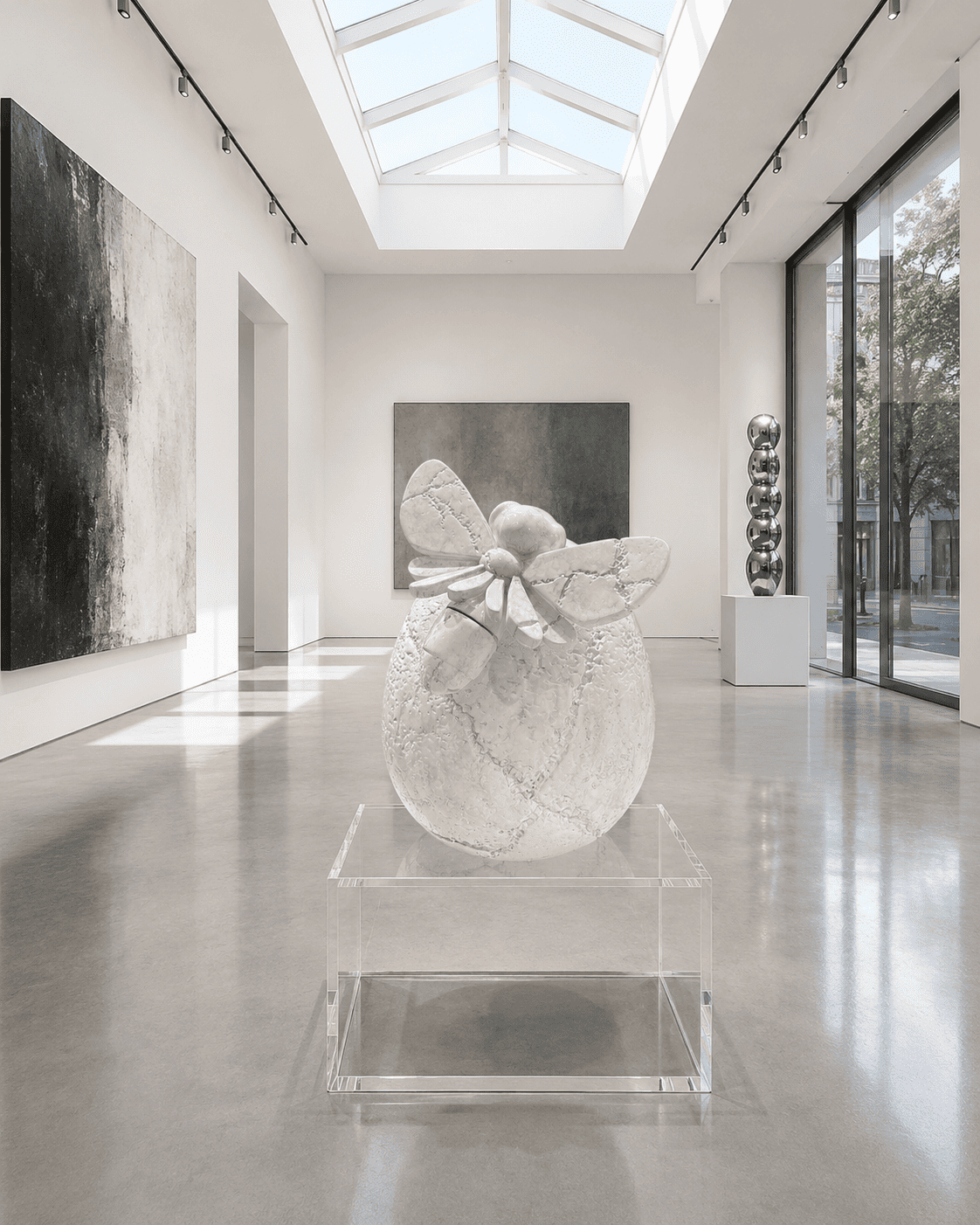
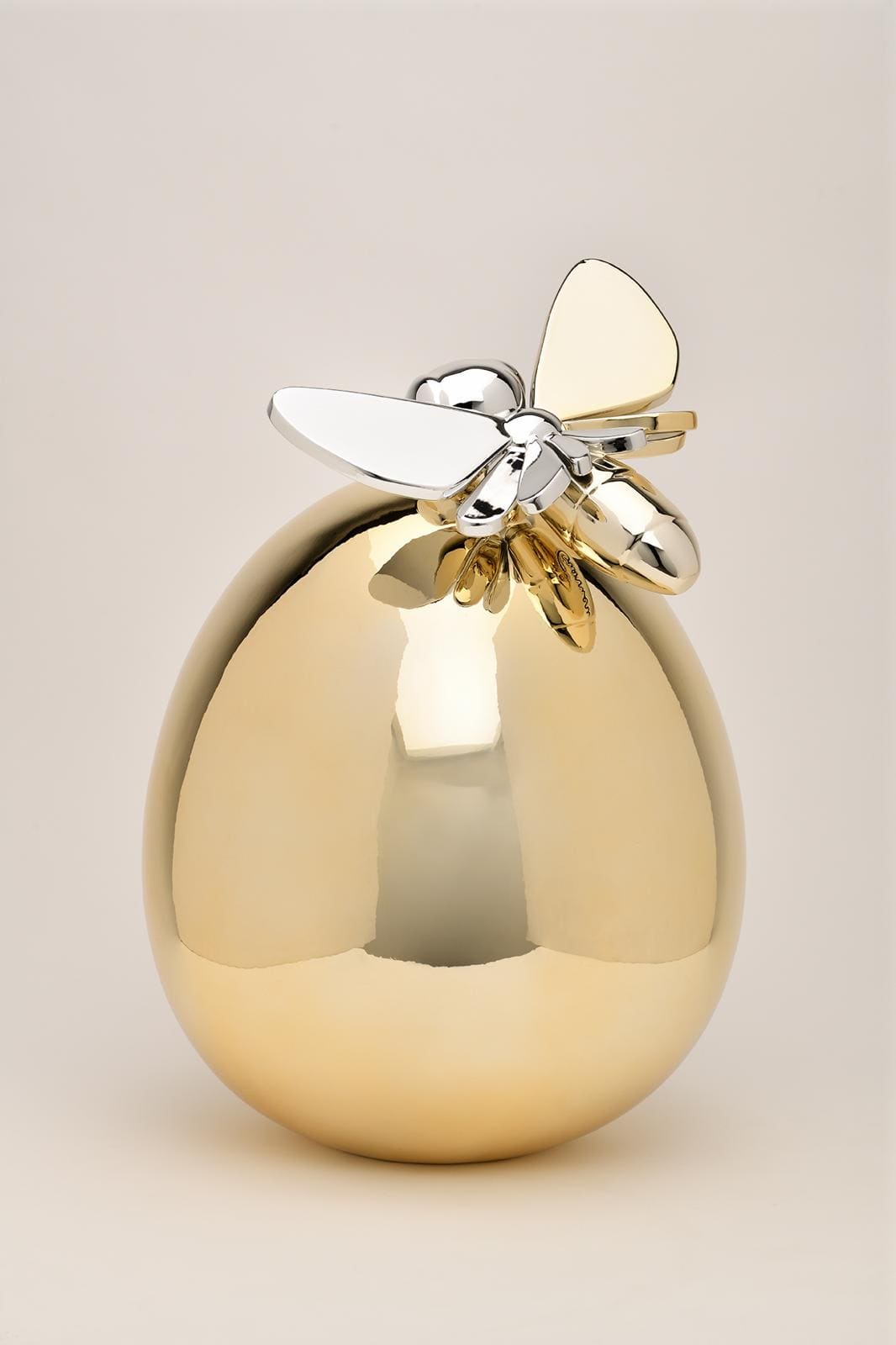
Puis j’ai imaginé offrir à l’abeille son propre territoire : une planète ovoïde, composée d’œufs colorés, un refuge où elle pourrait se poser en toute sécurité. Un jardin idéal, préservé et foisonnant de fleurs, où les abeilles pourraient continuer à vivre et à butiner.
Cela évoque tout à la fois la beauté et la fragilité d’un écosystème dont l’équilibre dépend de la préservation des pollinisateurs.
I then imagined giving the bee a territory of its own: an ovoid planet composed of coloured eggs, a refuge where it could land in complete safety. An ideal, protected garden, abundant with flowers, where bees could continue to live and forage.
It evokes both the beauty and the fragility of an ecosystem whose balance depends on the preservation of pollinators.
LE SAC ET L’ABEILLE
Lorsqu’ils pénètrent dans nos espaces intérieurs, les insectes se posent-ils librement là où ils le souhaitent ou, effrayés et désorientés, se posent-ils seulement là où ils le peuvent ? Ils viennent parfois se poser sur des objets, là où on ne les attend pas.
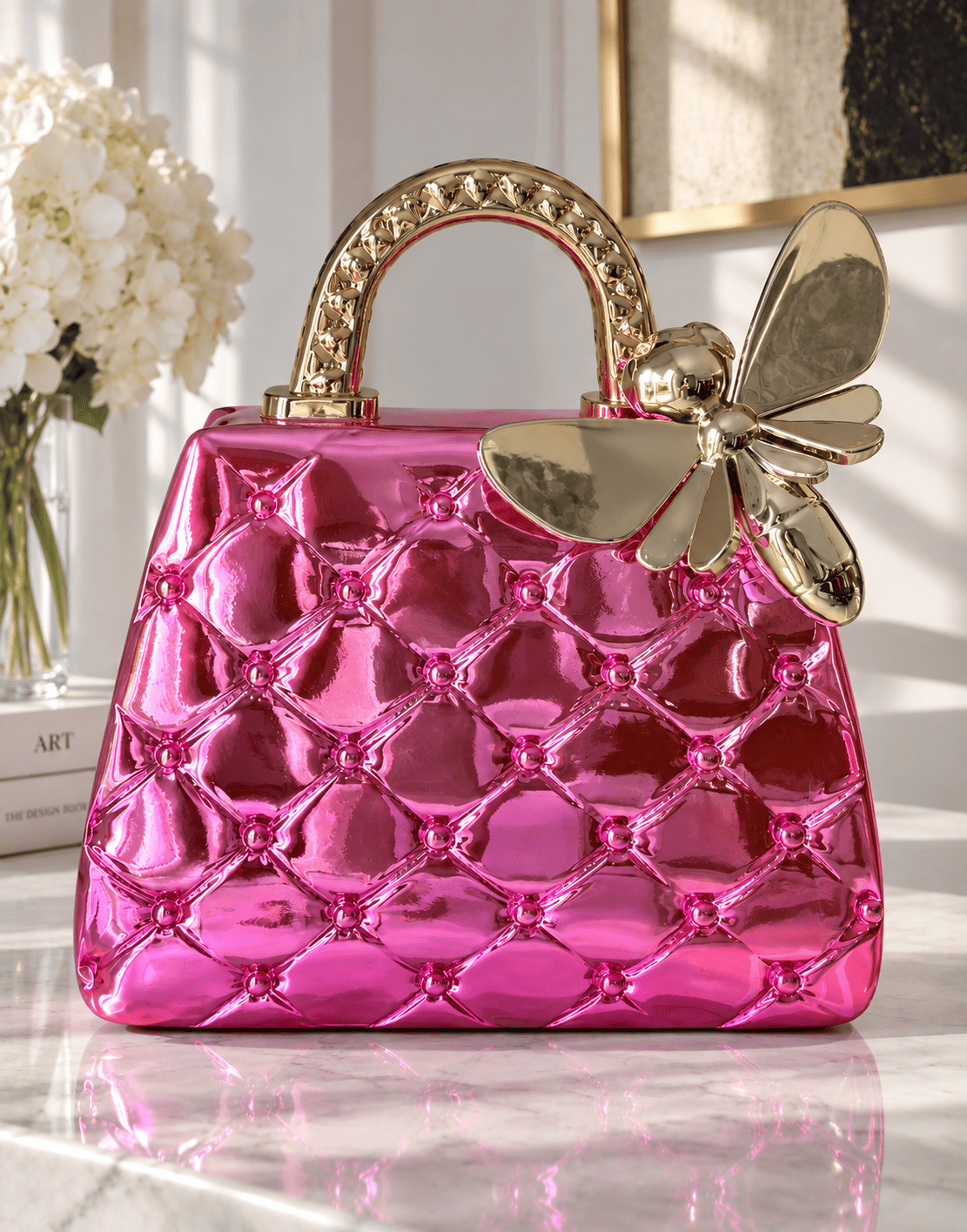
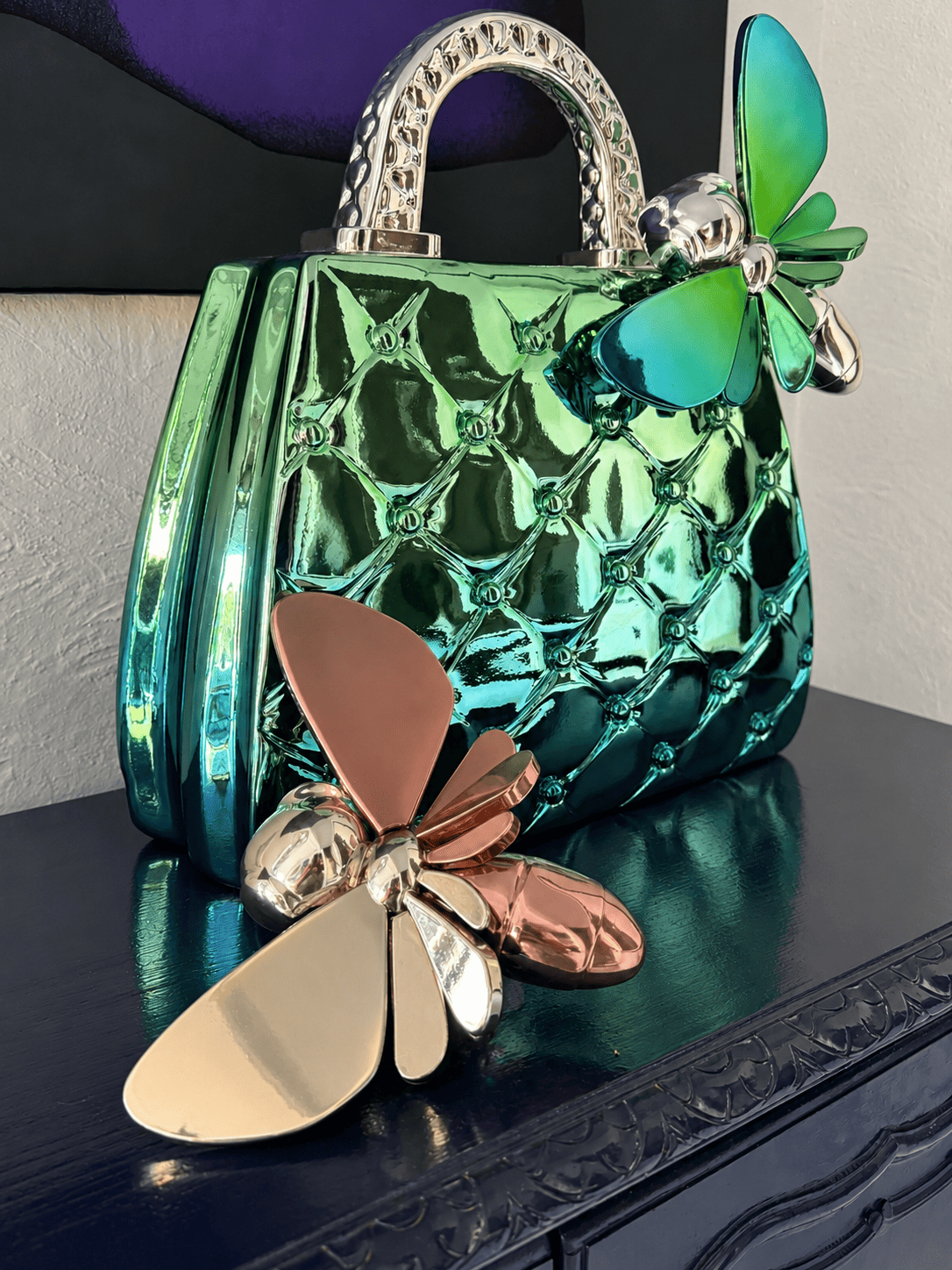
J’ai imaginé qu’une abeille était entrée dans une maison et s’était posée sur le sac de la maîtresse de maison, devenant ainsi un bijou de sac.
Le sac matelassé, dont le motif du capitonnage rappelle les alvéoles de la ruche, crée ainsi un lien inattendu entre l’objet et l’univers de l’abeille.
When insects enter our interior spaces, do they land freely wherever they choose, or, frightened and disoriented, do they simply settle wherever they can? Sometimes they land on objects where we least expect them.
I imagined a bee entering a house and landing on the lady of the house’s handbag, becoming a jewel-like bag ornament.
The quilted bag, whose padded pattern recalls the cells of a beehive, creates an unexpected connection between the object and the world of the bee.